
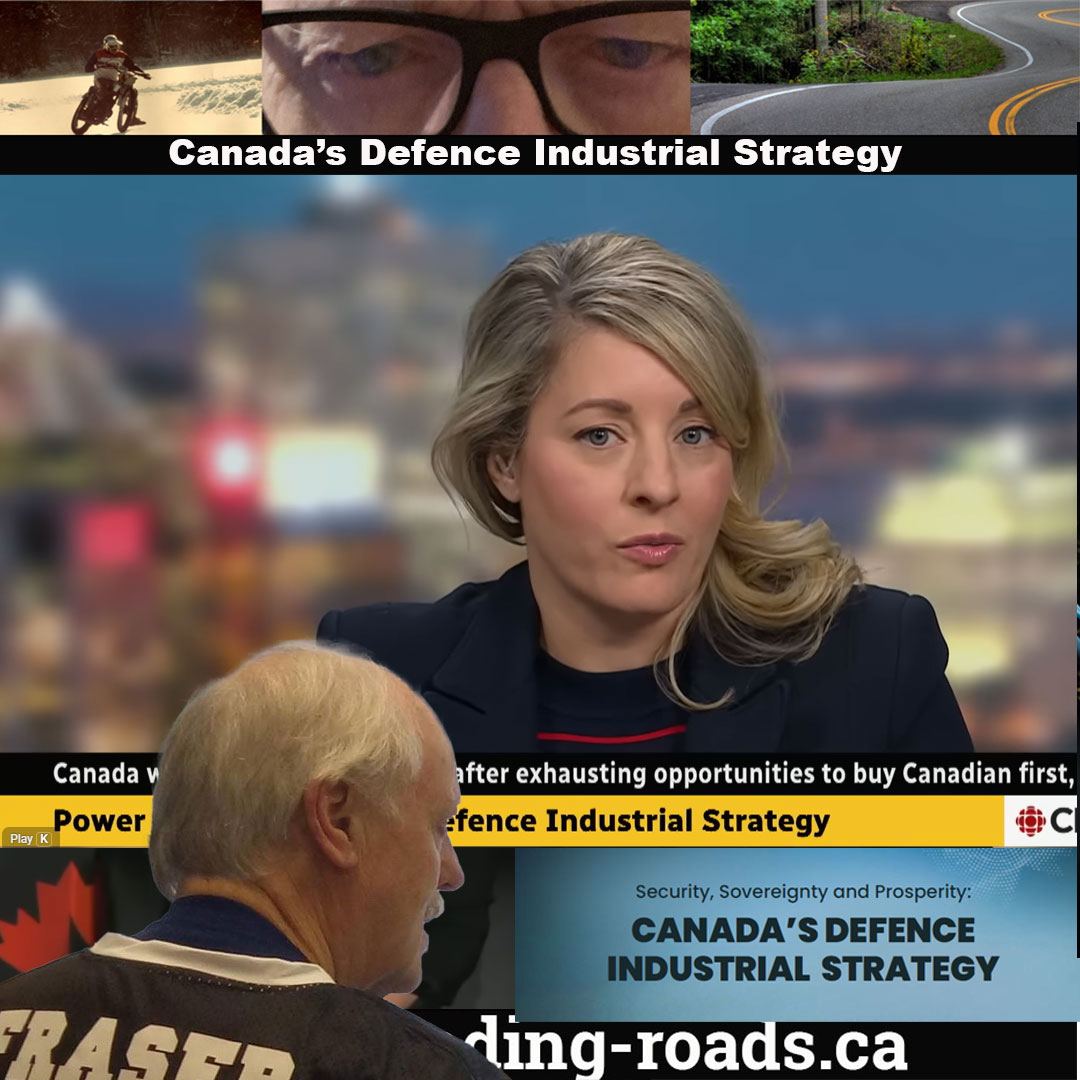
Introduction
Canada’s North has long been a symbol of our nation’s resilience, beauty, and untapped potential. But in an era of global competition and climate change, the Arctic is no longer just a frontier—it’s a strategic imperative. Canada’s National Defense Strategy recognizes this, prioritizing the North as a cornerstone of our security, sovereignty, and economic future. At the heart of this vision are projects like the revitalization of the Port of Churchill, which not only strengthen our defenses but also empower Indigenous partners and build domestic commercial strength.

Section 1: The Arctic as a Defense Priority
The Arctic is Canada’s backyard, but it’s also one of the most geopolitically contested regions in the world. With melting ice opening new shipping routes and resource opportunities, nations like Russia and China are increasing their presence. Canada’s Defense Strategy responds by:
- Asserting Sovereignty: Investing in surveillance, patrol capabilities, and infrastructure like ports and airfields.
- Securing Borders: Monitoring and protecting our northern territories from unauthorized activity.
- Building Resilience: Preparing for the unique challenges of Arctic defense, from extreme weather to vast distances.
The Port of Churchill, located on the shores of Hudson Bay, is a prime example of this strategy in action. Its revitalization as a deep-water port and transportation hub strengthens Canada’s ability to project presence and protect its interests in the North.

Section 2: Indigenous Partnerships at the Core
What sets Canada’s Defense Strategy apart is its commitment to Indigenous partnership. The Port of Churchill is a shining example of this approach. In 2019, the Missinippi Rail Partnership—a consortium of northern First Nations—purchased the port and the Hudson Bay Railway, taking control of their economic destiny. This Indigenous-led initiative not only creates jobs and opportunities for local communities but also ensures that development respects Indigenous rights and traditions.
As part of Canada’s Defense Strategy, projects like these demonstrate how sovereignty and security can go hand in hand with reconciliation. Indigenous peoples are not just stakeholders in the North—they are leaders, guardians, and partners in shaping its future.
Section 3: Modernizing Defense for a New Era
Canada’s commitment to defending its interests extends beyond infrastructure to cutting-edge capabilities. Upcoming announcements on submarines, jets, and AI underscore our nation’s determination to modernize its defense forces for the 21st century:
- Submarines: Enhanced underwater capabilities will bolster Canada’s ability to patrol its vast coastlines, including the Arctic, ensuring maritime security and sovereignty.
- Jets: Replacing and upgrading our fighter jet fleet will strengthen Canada’s air defense and its contributions to NATO and NORAD missions.
- AI: Integrating artificial intelligence into defense systems will improve surveillance, decision-making, and operational efficiency, particularly in challenging environments like the North.
These investments are not just about military might—they’re about ensuring Canada remains a reliable partner on the global stage while safeguarding its own interests.

Section 4: Defense as a Driver of Domestic Strength
Canada’s Defense Strategy isn’t just about protecting our borders—it’s about building a stronger, more resilient nation. Investments in northern infrastructure like the Port of Churchill have ripple effects across the economy:
- Supply Chain Security: Diversifying trade routes and reducing reliance on southern pathways.
- Resource Development: Unlocking access to critical minerals, rare earth elements, and energy resources.
- Innovation: Driving advancements in technology, from icebreaking ships to cold-weather equipment and AI-powered systems.
By prioritizing the North and modernizing our defense capabilities, Canada is not only safeguarding its sovereignty but also creating a foundation for long-term economic growth and self-reliance.
Section 5: A Vision for the Future
Canada’s North is more than a strategic asset—it’s a test of our values. Can we develop the Arctic in a way that is sustainable, inclusive, and respectful of Indigenous rights? Can we balance security with opportunity, and sovereignty with cooperation?
The Port of Churchill shows us that the answer is yes. By integrating defense, economic development, and reconciliation, Canada is charting a path forward that benefits all Canadians. But this vision requires continued commitment—from government, industry, and citizens alike.
Conclusion
Canada’s Defense Strategy in the North is about more than protecting our borders—it’s about building a stronger, more united nation. From the revitalization of the Port of Churchill to upcoming investments in submarines, jets, and AI, Canada is taking bold steps to secure its future. As we look north, let’s do so with pride, purpose, and partnership.
Call to Action:
What does the North mean to you? How can we ensure that its development benefits all Canadians, especially Indigenous communities? Share your thoughts and join the conversation about Canada’s Arctic future.
Footnote:
Where you get your information matters and there is so much clutter that choosing them is a challenge.

Duncan Fraser, March 24, 2026





Leave a Reply